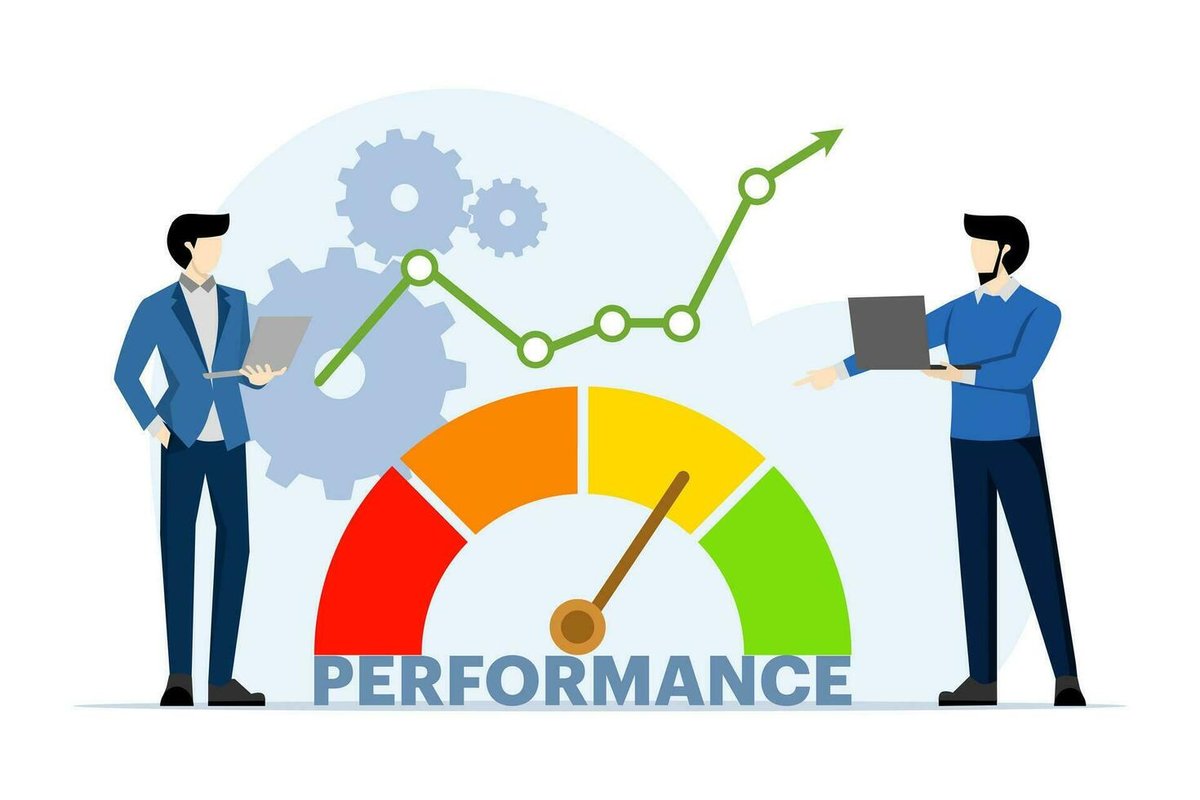
You’ve likely heard the adage, “What gets measured gets managed.” But in today's dynamic business world, merely measuring isn't enough. True competitive advantage comes from harnessing Performance Measurement & Feedback Loops to continuously learn, adapt, and refine your strategies. This isn't just about tracking numbers; it's about building a living, breathing system that translates data into tangible improvements, propelling your organization, team, or even your personal goals forward.
At a glance: What you’ll learn
- Why Measurement Matters: Understand how quantifiable data helps you gauge effectiveness and identify areas for improvement.
- The Power of Feedback Loops: Discover how systematic data collection, analysis, and response create dynamic systems for growth.
- Your 7-Step Blueprint: A practical guide to setting up and running effective feedback loops.
- Beyond the Balance Sheet: Explore diverse performance metrics from customer satisfaction to employee well-being.
- Smart Goals for Smarter Action: How well-defined objectives become the backbone of your measurement strategy.
- Turning Data into Decisions: Techniques for gathering, analyzing, and visualizing insights that drive change.
- The Future is Now: Glimpse upcoming trends in performance measurement, including real-time feedback and ethical considerations.
Why "Guesswork" Just Won't Cut It Anymore
Think of a pilot navigating a plane. They don't just set a course and hope for the best; they constantly monitor altitude, speed, fuel, and weather. These are their performance measurements, and based on this data, they make continuous adjustments – forming a critical feedback loop. Without this constant measurement and adjustment, the journey would be pure guesswork, rife with risk.
In the business world, the stakes are equally high. Relying on intuition alone, no matter how seasoned, can lead to missed opportunities, wasted resources, and strategic missteps. Performance metrics provide the quantifiable data – the facts – you need to understand if your actions and strategies are actually working. When these metrics are woven into a systematic feedback loop, they create a powerful engine for continuous improvement, driving efficiency, innovation, and ultimately, success.
Whether you're looking at sales figures to understand market response, customer satisfaction scores to gauge service quality, or even your personal daily step count to hit fitness goals, performance measurement offers clarity. A dip in customer satisfaction, for instance, might signal a need for service changes, just as a spike in production costs could alert you to supply chain vulnerabilities.
The Engine of Progress: Understanding the Feedback Loop
At its heart, a feedback loop is a cyclical process where output is returned as input, allowing a system to self-regulate and improve. In performance management, it's how you move from "what happened" to "what we should do next." This isn't a one-time check-up; it's an ongoing dialogue with your operations, your customers, and your team.
Here's a breakdown of the essential steps for building and maintaining an effective feedback loop:
1. Define Clear Metrics: The North Star
Before you can measure anything, you need to know what matters. Your metrics must be directly aligned with your system's goals. If your goal is to enhance customer service, for example, your metric might be "average response time" or "first-call resolution rate." These aren't just arbitrary numbers; they are precise indicators that tell you if you're moving towards your objective. Vague goals lead to vague measurements, which in turn lead to fuzzy decisions.
2. Gather Data: The Raw Material
Once your metrics are defined, the next step is to collect the relevant information. This might involve surveys for customer satisfaction, tracking software for website engagement, or even sensors in a manufacturing plant for production efficiency. The key is to select data collection methods that are reliable and align with your feedback goals, providing concrete, quantifiable information. Digital analytics tools like Google Analytics are invaluable for user behavior, while CRM systems offer rich data on customer interactions.
3. Analyze Data: Finding the Story in the Numbers
Data alone is just noise. Analysis transforms it into insights. This step involves interpreting results using statistical methods to identify trends, patterns, and outliers. Are sales peaking on Tuesdays? Is customer churn higher after a specific product update? Time-series analysis can forecast sales, while correlation studies can link marketing spend to lead generation. Don't just look at the numbers; understand the story they're telling.
4. Make Informed Decisions: The Insight-to-Action Bridge
Based on your analysis, what changes need to be made? This is where insights translate into strategic choices. If metrics indicate underperformance – say, a marketing campaign isn't hitting its conversion targets – you might decide to revise your content strategy or reallocate your ad spend. Effective decision-making relies on understanding the 'why' behind the 'what.'
5. Implement Changes: Putting Plans into Motion
Decisions are only as good as their execution. This step involves translating your strategic choices into concrete actions. This could mean altering existing processes, reallocating resources, introducing new policies, or even implementing lean manufacturing principles. For instance, if data shows long customer service wait times are driving dissatisfaction, implementing a new mobile checkout system is the action.
6. Monitor Results: Closing the Loop
After implementing changes, you must assess their impact. This means tracking your original metrics (and perhaps new ones) to see if your adjustments are having the desired effect. Did the new app feature boost user adoption? Did the revised marketing strategy improve conversion rates? This monitoring phase is critical because it literally closes the feedback loop, showing you if your intervention was successful.
7. Continuous Improvement: The Perpetual Cycle
Performance measurement is not a destination; it's a journey. The final step is to regularly revisit and refine your metrics, processes, and goals. The business environment is constantly changing, and your feedback system must be flexible enough to adapt. This continuous iteration ensures ongoing relevance and effectiveness, always pushing towards better outcomes.
Your Toolkit of Metrics: What to Measure Across Domains
The world of performance metrics is vast, but you don't need to track everything. The secret is focusing on Key Performance Indicators (KPIs) – those metrics that directly reflect the health and progress towards your most important goals. Here’s a look at some critical categories:
- Financial Metrics: The bedrock of business health. Think revenue, profit margins, Return on Investment (ROI), and Customer Lifetime Value (CLV).
- Customer Metrics: Essential for understanding your market. This includes Customer Satisfaction Scores (CSAT), Net Promoter Score (NPS), customer retention rates, and churn rate.
- Operational Metrics: How efficiently are you running? Look at production throughput, quality defect rates, inventory turnover, and delivery times.
- Employee Performance Metrics: Your people are your greatest asset. Track employee engagement levels, turnover rates, performance ratings, and training completion rates.
- Marketing Metrics: Are your campaigns hitting the mark? Focus on Click-Through Rates (CTR), conversion rates, Cost Per Acquisition (CPA), and website traffic.
- Project Management Metrics: Keeping projects on track. Monitor project completion rates, budget variance, milestones reached on time, and resource utilization.
- Health and Safety Metrics: Crucial for a safe workplace. Track incident frequency rates, lost time injury frequency rates, and safety audit scores.
- Sustainability Metrics: For the environmentally conscious. Measure carbon footprint, energy consumption, waste reduction, and sustainable sourcing percentages.
- Innovation Metrics: Fueling future growth. Consider the number of patents filed, R&D spend as a percentage of sales, and time to market for new products.
- Social Media Metrics: Gauging your online presence. Track engagement rates, follower growth, share of voice, and reach.
Selecting the right metrics depends entirely on your specific goals and context. A startup might prioritize customer acquisition, while a mature enterprise focuses on profit margins and retention.
Setting Goals That Actually Work (and How Feedback Helps)
Performance measurement is like a compass, but without a destination, a compass is useless. This is where goal setting comes in. Goals provide the clear direction and benchmark for measuring performance, giving context to your metrics and clarifying expectations. For effective performance management, your goals need to be more than just aspirations; they need to be actionable.
You've probably heard of SMART goals (Specific, Measurable, Achievable, Relevant, Time-bound), but let's go a step further:
- Specificity: Don't just "increase sales." Aim to "increase sales of Product X by 15% in Q3." Clear guidance removes ambiguity.
- Measurability: How will you know if you've succeeded? Quantifiable tracking, like "number of new clients onboarded," is key.
- Achievability: Goals should be challenging but attainable. Unrealistic goals breed demotivation; overly easy ones don't inspire growth.
- Relevance: Your goals must align with your role, your team's objectives, and the overarching organizational strategy.
- Time-bound: A deadline creates urgency and helps prioritize tasks. "By the end of the fiscal year" provides a critical framework.
- Feedback Alignment: Crucially, the feedback you provide must directly relate to these goals. If a goal is about improving customer retention, feedback should focus on behaviors and actions that influence retention.
- Adjustability: The world changes, and so should your goals. Be flexible enough to adapt to new circumstances and insights.
- Inclusivity: Involving employees in the goal-setting process significantly increases commitment and ownership. People are more invested in goals they help create.
- Recognition: Acknowledge progress towards goals, big or small. This boosts morale, reinforces positive behaviors, and demonstrates that effort is seen and valued.
- Continuous Learning: Goals aren't just about achievement; they should also encourage ongoing improvement and development. What did you learn trying to hit that target?
Gathering the Gold: Critical Steps for Data Collection
Data is the lifeblood of any effective feedback loop. It's the raw material that provides insights, ensuring your feedback is based on concrete, quantifiable information, not just gut feelings. The methods you choose must align with your feedback goals and be sensitive to data nuances.
Here are proven ways to gather the essential data:
- Surveys and Questionnaires: Your go-to for qualitative and quantitative insights into attitudes, satisfaction, and engagement. Perfect for customer satisfaction (CSAT, NPS) or employee engagement surveys.
- Interviews and Focus Groups: When you need deep dives into complex issues. These allow for nuanced understanding and can uncover "why" behind survey responses.
- Observation: Tracking patterns in real-time, either in-person (e.g., customer movement in a retail store) or via recordings (e.g., call center interactions).
- Digital Analytics Tools: Indispensable for online behavior. Google Analytics, Amplitude, and similar tools provide data on website traffic, user paths, conversion funnels, and bounce rates.
- Customer Relationship Management (CRM) Systems: A treasure trove of data on customer interactions, sales pipelines, service requests, and communication history.
- Social Media Analytics: Track engagement, reach, demographics of your audience, and overall sentiment about your brand.
- Sensors and IoT Devices: For technical or industrial settings, these provide real-time data on machine performance, environmental conditions, and resource usage.
- A/B Testing Platforms: Essential for comparing different versions of a product, service, or marketing message to gauge user preferences and optimize performance.
Remember, the goal isn't just to collect any data, but the right data – information that directly informs your metrics and helps you understand progress toward your goals.
From Numbers to Narrative: Transforming Data into Actionable Insights
Collecting data is only half the battle. The true magic happens when you transform that raw data into clear, compelling, and actionable insights. This process of performance analysis is an art as much as a science, guiding you from mere facts to strategic adjustments.
Here's how to make your data truly work for you:
- Measure Accurately: This starts with selecting metrics that are truly aligned with your goals. For example, if you're trying to improve website conversion, you'll track conversion rates, not just overall traffic.
- Collect Comprehensive Data: Use robust tools for real-time data capture where possible. Think wearable fitness trackers for personal health or sophisticated ERP systems for business operations. Comprehensive data provides a richer context for analysis.
- Analyze with Context: Don't just look at numbers in isolation. Interpret data considering the broader environment and circumstances. Did sales drop because of a new competitor, a seasonal trend, or an internal issue? Context is king.
- Visualize for Clarity: Complex data sets can be overwhelming. Use charts, graphs, dashboards, and infographics to present information clearly and concisely. A well-designed dashboard can tell a story at a glance, highlighting key trends and outliers. This can also help you in Understanding MIS connections by visually representing how different data points interrelate.
- Interpret with Expertise: Dashboards are great, but they don't replace human intelligence. You need to read beyond the visualizations, understanding the underlying stories, identifying root causes, and forecasting potential impacts. What do these trends really mean for your strategy?
- Act on Insights: This is the ultimate goal. Based on your interpretation, adjust strategies, reallocate resources, or implement entirely new processes. For example, if data reveals a bottleneck in your supply chain, you might invest in new logistics software.
- Iterate and Improve: Performance analysis isn't a one-and-done task. It's a continuous feedback loop. Every action you take based on insights generates new data, which you then collect, analyze, and use for ongoing refinement.
Speaking the Language of Data: Communicating Performance Effectively
Even the most brilliant insights are useless if they can't be communicated effectively. Translating complex data into meaningful narratives is crucial for informing, inspiring, and driving change across your organization. Effective communication impacts everything from employee motivation to stakeholder buy-in.
Consider these principles for sharing your performance metrics:
- Clarity is Key: Always define your metrics clearly. Ensure all stakeholders, from frontline staff to leadership, understand what each number represents and why it matters. Avoid jargon.
- Contextualize the Data: Raw numbers without context can be misleading. Provide background information, historical trends, and relevant benchmarks to help proper interpretation. Is that 10% increase good or bad compared to last year or industry averages?
- Regular Updates: Share metrics frequently – weekly, monthly, or quarterly – depending on their relevance and volatility. Consistent communication fosters transparency and keeps everyone aligned.
- Visual Aids: Charts, graphs, infographics, and dashboards are your best friends. They make complex data digestible and highlight key takeaways far more effectively than dense text or spreadsheets.
- Two-way Communication: Encourage employees to ask questions, provide feedback, and offer their own insights regarding the metrics. This creates ownership and surfaces valuable ground-level perspectives.
- Celebrate Successes: Acknowledge positive results and the efforts that led to them. This boosts morale, reinforces desired behaviors, and creates a positive feedback culture.
- Actionable Feedback: When performance needs improvement, provide clear, achievable steps for improvement rather than just pointing out shortcomings. Focus on solutions, not just problems.
- Training and Support: Offer resources, workshops, or one-on-one coaching to help employees understand how to interpret and utilize metrics in their daily work.
- Confidentiality and Sensitivity: Communicate individual performance metrics privately and respectfully. Group or team metrics can be shared more broadly, but always with an eye toward constructive improvement.
- Consistency: Apply uniform standards and methods for reporting metrics to foster trust and avoid any perception of bias.
From Insight to Impact: Turning Feedback into Tangible Results
The ultimate goal of performance measurement and feedback loops is not just analysis, but action that produces measurable, positive change. This is where the rubber meets the road.
Here's how to ensure your feedback genuinely drives results:
- Identify Key Performance Indicators (KPIs): Reiterate and focus intensely on the metrics most aligned with your organizational goals. These are your non-negotiables.
- Gather Comprehensive Feedback: Don't limit yourself to one source. Collect data from diverse channels – customer surveys, operational data, employee reviews, market intelligence – to get a holistic view.
- Analyze for Trends and Patterns: Use statistical tools and critical thinking to identify common themes. For instance, notice if customer complaints spike after a specific product update, or if employee turnover correlates with certain management styles.
- Segment Data for Specific Insights: Break down your data by demographics, products, regions, or customer segments. This can reveal hidden pockets of underperformance or unexpected successes that a macro view might miss.
- Prioritize Actions Based on Impact: You can't fix everything at once. Focus your resources on changes that will have the most significant positive effect on your KPIs. Use frameworks like effort vs. impact matrix to guide your decisions.
- Implement Changes and Monitor Results: Act quickly but thoughtfully. Once changes are implemented, rigorously track their impact on your performance metrics. Did that new training program reduce incident frequency rates? Did the pricing adjustment boost profit margins?
- Iterate and Refine: The process is never truly "done." Continuously use the new data generated by your changes to refine your strategies, processes, and even your goals. This agile approach ensures you're always adapting to a dynamic environment.
Real-World Wins: Case Studies in Action
Seeing how others have leveraged performance measurement and feedback loops can provide powerful inspiration:
- Retail Revolution: A major retail chain struggled with long checkout lines, leading to plummeting customer satisfaction scores. By defining "checkout wait time" and "CSAT scores" as KPIs, they identified the problem. They implemented a mobile checkout system and real-time staff reallocation based on queue length. Result: significantly increased satisfaction and a notable boost in sales due to improved customer experience.
- Tech Talent Boost: A leading tech giant noticed a correlation between employee engagement levels (measured via regular pulse surveys) and project success rates. Recognizing the link, they introduced flexible working hours, improved collaboration tools, and invested in personalized development plans. Outcome: increased employee engagement, a surge in innovation, and a noticeable decrease in employee turnover.
- Manufacturing Efficiency: A global car manufacturer meticulously tracked parts movement and inventory levels across its complex supply chain. Data revealed bottlenecks and inefficient storage. By optimizing its logistics and adopting just-in-time inventory practices, they reduced lead times by 20% and slashed inventory costs by 30%.
- Non-profit Impact: An organization dedicated to providing clean water in developing nations tracked social impact metrics like "number of households served," "waterborne disease reduction rates," and "community adoption of hygiene practices." Analyzing this data allowed them to refine their program delivery, partner more effectively with local communities, and ultimately increase the long-term effectiveness of their initiatives.
- Construction Safety: A construction company faced high rates of workplace accidents. They began diligently monitoring health and safety incidents, near-miss reports, and safety training completion rates. This data highlighted specific high-risk activities and skill gaps. They implemented targeted, hands-on safety training and revised protocols, leading to a remarkable 50% reduction in workplace accidents within a single year.
These examples underscore a crucial point: effective performance measurement isn't just about problem-solving; it's about unlocking potential and driving continuous improvement across every facet of an organization.
What's Next? The Evolving Landscape of Performance Measurement
The future of performance measurement and feedback loops is dynamic, leaning towards more personalized, real-time, and holistically integrated approaches. It’s shifting from a focus solely on judgment to one emphasizing growth, learning, and adaptability.
Here's what to expect on the horizon:
- Real-Time Feedback: Advances in technology mean immediate data collection and analysis are becoming standard. This allows for quicker adjustments and more agile responses to changing conditions, minimizing lag time between action and insight.
- Personalization of Metrics: "One size fits all" is out. Metrics are increasingly being tailored to individual roles, career paths, and specific development goals, fostering a more direct connection between individual effort and organizational objectives.
- Integration of Qualitative Data: While numbers are critical, the human story behind them is gaining prominence. Narrative comments, peer reviews, 360-degree feedback, and testimonials provide crucial context that purely quantitative data can miss.
- Forward-Looking Indicators: The emphasis is shifting from just lagging indicators (what happened) to forward-looking indicators (what's likely to happen, what growth opportunities exist, what initiatives are starting). This proactive approach focuses on learning, potential, and future-oriented strategies.
- Employee Well-being Metrics: Beyond traditional performance, organizations are increasingly monitoring work-life balance, stress levels, job satisfaction, and mental health metrics, recognizing their direct impact on productivity and retention.
- Ethical Considerations and Data Governance: As data collection becomes more pervasive, there's an increased focus on privacy, consent, and the ethical use of performance data. Transparency and trust will be paramount in how organizations collect, store, and utilize information about their employees and customers.
Your Path Forward: Building a Culture of Continuous Improvement
Embracing robust Performance Measurement & Feedback Loops isn't merely an operational tactic; it's a strategic imperative. It’s about cultivating a culture where curiosity about performance is encouraged, data informs every decision, and continuous learning is the norm.
Start small if you need to. Identify one critical goal, define just a couple of key metrics, set up a simple way to gather data, and commit to acting on what you learn. As you gain confidence, expand your scope, integrate more sophisticated tools, and embed the feedback loop into your daily operations.
The world won't stop changing, and neither should your approach to performance. By meticulously measuring, thoughtfully analyzing, and bravely acting on feedback, you're not just managing; you're actively shaping a more successful, adaptable, and resilient future for your business, your team, and yourself.